
Bay Area Real Estate Trends
The Bay Area of California stands out as one of the most dynamic and unique real estate markets globally, characterized by a confluence of factors that set it apart from other regions. Several key elements contribute to the distinctiveness of real estate trends in the Bay Area, with profound implications for the mortgage industry.
First and foremost, the Bay Area is home to Silicon Valley, a global epicenter of innovation and technology. The presence of tech giants such as Google, Apple, Facebook, and numerous startups drives unprecedented demand for housing in the region. High-paying tech jobs attract a steady influx of skilled workers, intensifying competition for limited housing stock. As a result, property prices soar to astronomical levels, creating significant challenges for prospective homebuyers in securing affordable mortgages.
Furthermore, the Bay Area’s geography presents a unique set of constraints that shape real estate dynamics. Limited land availability, compounded by stringent zoning regulations and environmental preservation efforts, restricts new construction and exacerbates housing scarcity. This scarcity, coupled with robust demand, fuels fierce bidding wars and escalates property values, influencing mortgage lending practices.
In response to soaring home prices, the mortgage industry in the Bay Area has adapted to accommodate the needs of buyers facing formidable affordability barriers. Lenders offer an array of specialized mortgage products tailored to the region’s high-cost market, including jumbo loans and adjustable-rate mortgages (ARMs). Additionally, innovative financing options, such as shared equity agreements and down payment assistance programs, emerge to assist buyers in overcoming down payment hurdles.
The Bay Area’s real estate landscape is also shaped by socio-economic diversity and cultural vibrancy, with distinct neighborhoods reflecting varying degrees of affluence and diversity. These nuances influence mortgage underwriting criteria, as lenders assess risk factors associated with specific neighborhoods and borrower profiles.
Moreover, the Bay Area’s reputation as a global hub for sustainable living and progressive urban planning amplifies demand for eco-friendly homes and green mortgages, prompting lenders to integrate environmental considerations into their loan products.
In conclusion, the Bay Area’s real estate trends are characterized by unparalleled demand driven by the tech industry, geographic constraints, and cultural diversity. These unique dynamics necessitate innovative mortgage solutions tailored to address affordability challenges and accommodate the region’s distinctive housing market conditions.
 https://101loan.com/wp-content/uploads/2026/09/Which-One-to-Buy.png 907 1735 101 Loan https://101loan.com/wp-content/uploads/2019/09/lg2.jpg 101 Loan2026-09-17 19:13:272026-09-19 17:10:44Passive Income through Real Estate – Part 3 of 3 (The Grand Finale)
 https://101loan.com/wp-content/uploads/2026/06/Image-1.jpeg 1024 1536 101 Loan https://101loan.com/wp-content/uploads/2019/09/lg2.jpg 101 Loan2026-06-02 22:11:082026-06-02 22:21:21How to Win a Bay Area Bidding War in 2026
 https://101loan.com/wp-content/uploads/2024/09/J-Powell-Confused.jpg 449 409 101 Loan https://101loan.com/wp-content/uploads/2019/09/lg2.jpg 101 Loan2024-09-21 01:35:512024-10-09 22:15:18The Federal Reserve Cuts Commercial Lending Rates…Why did Consumer Lending Rates Go up Then?
 https://101loan.com/wp-content/uploads/2024/09/Stay-or-Cut.jpg 1084 1087 101 Loan https://101loan.com/wp-content/uploads/2019/09/lg2.jpg 101 Loan2024-09-18 15:13:272024-09-19 21:40:22Big Day For The Federal Reserve, the Stock Market and Interest Rates…
 https://101loan.com/wp-content/uploads/2024/08/Fed-Chairman.jpg 469 460 101 Loan https://101loan.com/wp-content/uploads/2019/09/lg2.jpg 101 Loan2024-08-29 22:39:312024-08-29 22:39:31So What Does a Interest Rate Cut Mean to You?
 https://101loan.com/wp-content/uploads/2024/08/Refi-Pic-with-Couple.webp 1024 1024 101 Loan https://101loan.com/wp-content/uploads/2019/09/lg2.jpg 101 Loan2024-08-15 18:13:232024-08-15 18:17:41Seize the Moment: Why Waiting for the Fed to Drop Rates Could Cost You
 https://101loan.com/wp-content/uploads/2024/08/Interest_Rates_Decrease_from_7_to_6.jpeg 1024 1792 101 Loan https://101loan.com/wp-content/uploads/2019/09/lg2.jpg 101 Loan2024-08-02 22:24:572024-08-05 19:53:47Rates Finally Go Lower!
 https://101loan.com/wp-content/uploads/2024/07/Housing-Inventory.jpg 481 839 101 Loan https://101loan.com/wp-content/uploads/2019/09/lg2.jpg 101 Loan2024-07-17 08:00:352024-07-23 20:29:32The Housing Market is on the Move…
 https://101loan.com/wp-content/uploads/2024/07/July-4th.jpg 482 850 101 Loan https://101loan.com/wp-content/uploads/2019/09/lg2.jpg 101 Loan2024-07-02 20:25:522024-07-02 20:25:52Happy 4th of July
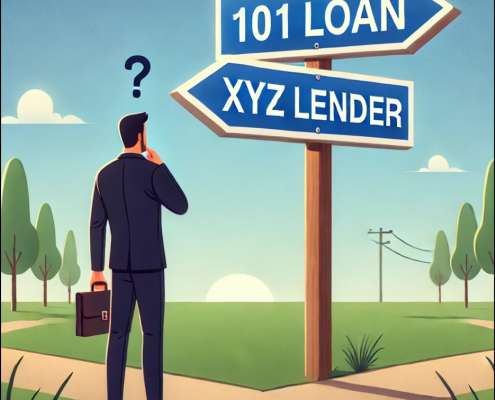 https://101loan.com/wp-content/uploads/2024/06/Cross-Road.jpg 936 935 101 Loan https://101loan.com/wp-content/uploads/2019/09/lg2.jpg 101 Loan2024-06-25 21:18:012024-06-25 22:10:31How to Choose a Lender?

